ALL Electric
“Better is the little that the righteous has than the abundance of many wicked.” Psalm 37:16 (ESV)
Should you buy one?
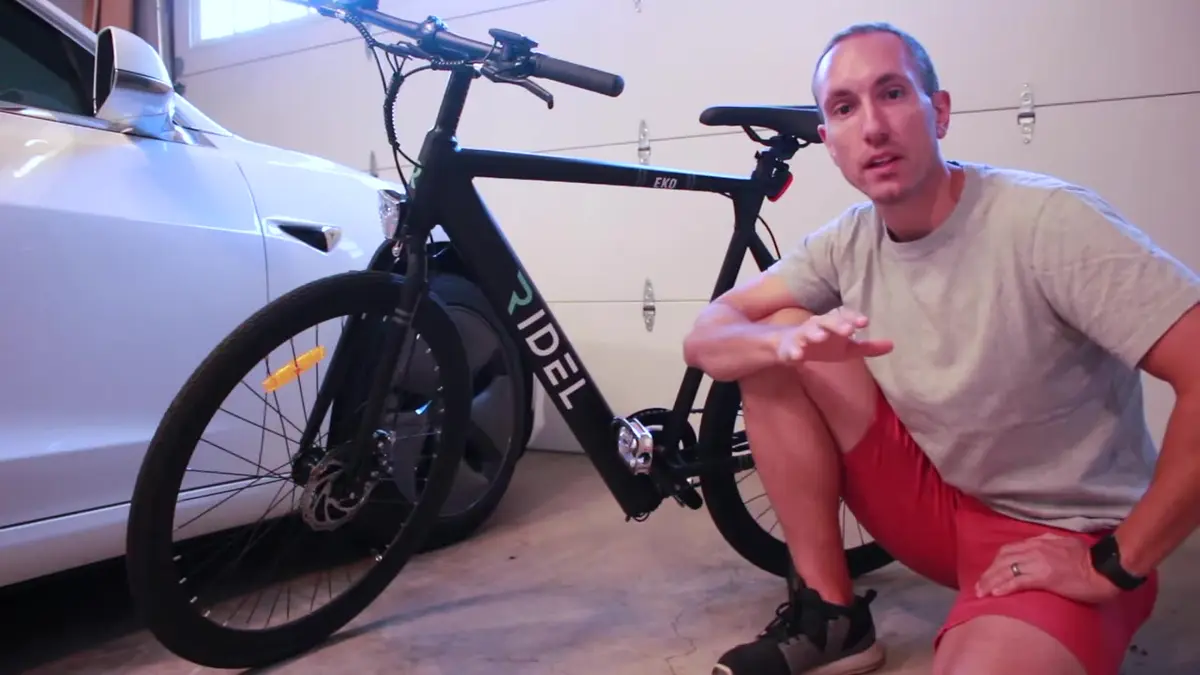
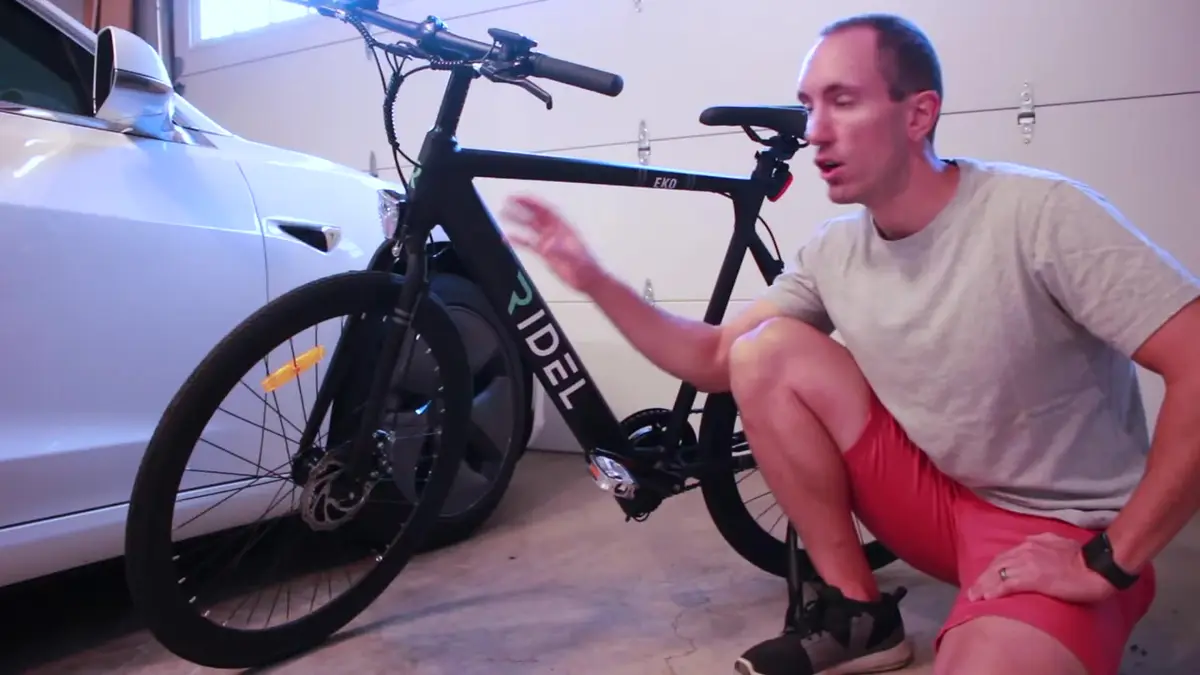
If you want a super light, low-maintenance e-bike for pavement that looks just like a regular single speed bike, the Ridel EKO is an awesome pick. I rode it for over 30 miles. It’s so light you can carry it up apartment stairs, the torque sensor gives you an almost instant start, and when I showed it to friends they didn’t realize it was an e-bike.
Know the trade-offs before you buy. There’s no throttle, the battery is fixed in the frame, the tires are very thin, and it’s not for off-road riding.
Buying note: as of Oct 22, 2026, Ridel lists the EKO at $699 on sale, down from a $1,399 regular price, and it shows sold out. I reviewed it in October 2020, so check the Amazon link for current availability.
Check the Ridel EKO on Amazon (affiliate link)
Quick specs
| Ridel’s page | My test | |
|---|---|---|
| Motor (W) | 250 | Not listed |
| Battery (V) | 48 | Not listed |
| Battery (Ah) | 8.8 | Not listed |
| Rated range (mi) | 38 | Not listed |
| Top speed (mph) | 22 | Not listed |
| Pedal assist levels | 5 | 5 |
| Gears | 1 | 1 |
| Wheel diameter (in) | 28 | Not listed |
| Tire width (mm) | 28 | Not listed |
| Weight (lbs) | 38 | Not listed |
| Max load (lbs) | 260 | Not listed |
| Charge time, low (hours) | 3 | Not listed |
| Charge time, high (hours) | 4 | Not listed |
| Seat height, min (in) | 37 | Not listed |
| Seat height, max (in) | 46 | Not listed |
| Miles I rode | Not listed | 30 |
| Price, USD (Oct 22, 2026 sale) | 699 | Not listed |
Source note: the first column is from Ridel’s EKO product page at ridelbikes.com, checked Oct 22, 2026. The second column is from my October 2020 video. The 30 miles is how far I’d ridden at the time, not a range test.
Where the numbers are shaky:
- Voltage. Ridel’s page lists a 36V motor but a 48V battery, which don’t match. I’ve put the 48V battery figure in the table as Ridel shows it, but confirm with the seller.
- Charge time. The spec list says 3 to 4 hours. The description on the same page says 2.5 hours.
- Range. 38 miles is Ridel’s claim. I didn’t run a range test.
Pros and cons
Pros
- Super light, easy to carry upstairs
- Looks just like a regular single speed bike
- Torque sensor with an almost instant start
- Single speed means very limited maintenance
- Five pedal assist levels, and level 5 handles hills
- Rides like a normal bike with the power off
- Disc brakes
- Headlight and rear brake light included
- Really durable kickstand
- Bell included
Cons
- No throttle
- Battery is fixed in the frame, so no charging it at the office
- Very thin tires, pavement only
- Cheap-feeling brake levers
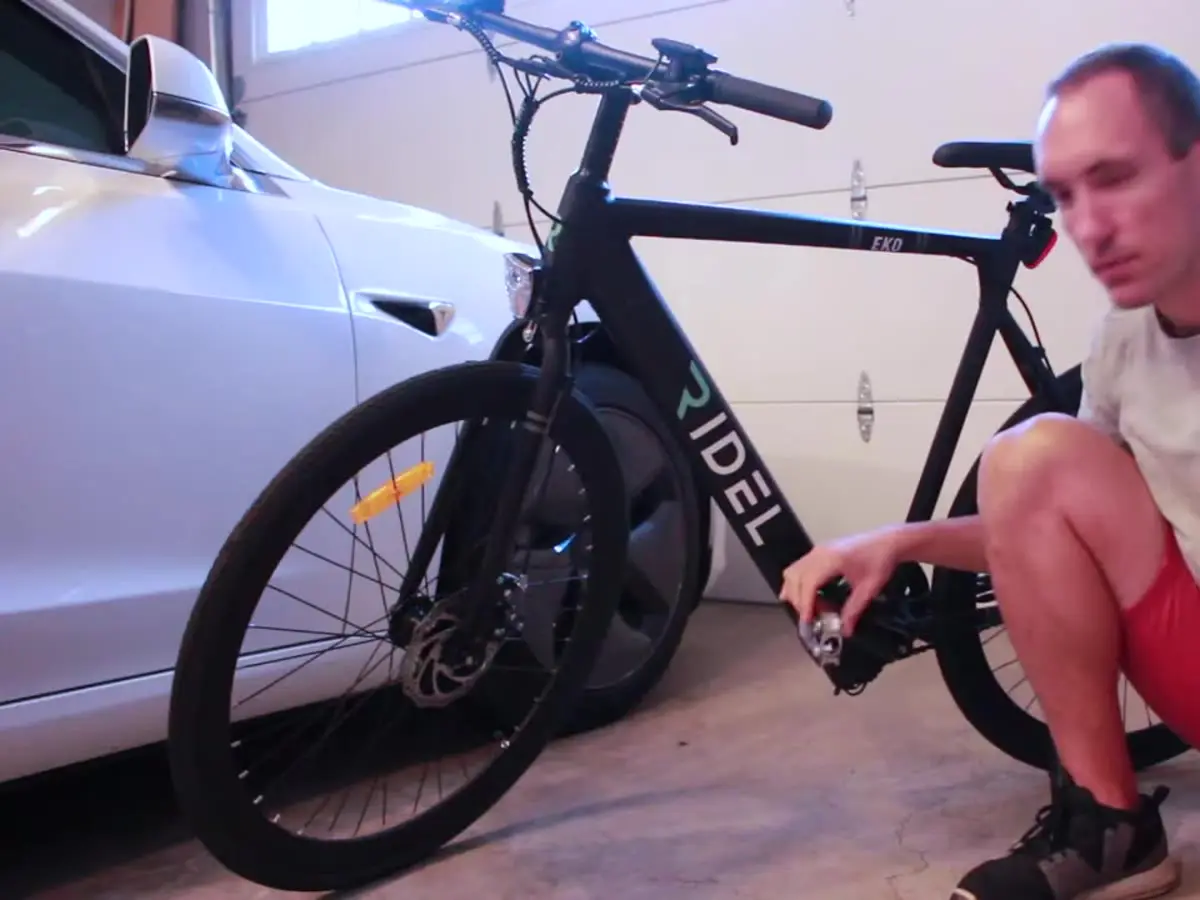
- Shiny pedals that stand out on the all-black design
- Screen scratches easily
- Lights aren’t integrated and have to be switched on by hand
- My early build had the brake cables swapped
Design and build quality
What I love most is the design. It’s a single speed that looks just like a regular bike, with the battery hidden in the frame.
Overall build quality is pretty awesome, but Ridel skimped in two spots. The brake levers feel cheap, and I wish the pedals were plain black. The shiny ones stick out on the all-black design.
Lights
Ridel includes a front headlight and a rear brake light. The rear light isn’t fixed to the bike, so you can remove it or place it wherever you want. The front headlight screws in and secures to the frame.
You switch them on by hand, so they’re not as integrated as on some e-bikes I’ve tested, but I like that they’re included.
Tires and ride comfort
These tires are really thin, about the thickness of my finger. I’m about 200 lbs, and on sidewalks and roads I had no comfort issues and didn’t feel more bumps than I expected. A big pothole at speed could bend a rim, but I didn’t have any problems.
Brakes and assembly
The EKO comes with disc brakes. It requires some assembly when it arrives, like putting on the front wheel and the handlebars.
One thing I ran into: the rear brake, which is typically on the right side, was on the left side on my bike from the factory. Mine was one of the early builds, so hopefully that’s been fixed, and you probably won’t experience it. It was a super easy fix, under a minute, just swapping the cables on the brake levers.
Kickstand
Also included is a really durable kickstand, the kind I’ve seen on a lot of heavier e-bikes.
Weight
Ridel lists it at 38 lbs. If you carry your bike up apartment stairs every ride, this is the bike for you.
Torque sensor
Most e-bikes I’d tested had a cadence sensor, which kicks in after a second or so of pedaling. The EKO’s torque sensor starts the motor as soon as you press down on the pedal, so starts from zero are almost instant.
Single speed
The single speed construction is nice long term. You’ll have very limited maintenance, but also limited options.
Even in a hilly area, the motor can easily get you up the hill.
No throttle
There’s no throttle. I missed it a little, but the torque sensor made it easy to pedal gently and let the motor kick in. Of the five assist levels, level 5 got me up hills easily.
Controls and screen
On the right handlebar there’s a very nice bell. On the left side is the screen, where you control the assist level and turn the system on.
The screen scratches easily. I thought there was a screen protector on it and used my fingernail, and that scratched it. It’s not a huge issue, but be careful with it.
Charging
Charging is easy, but not as easy as on some other e-bikes I’ve tested. The battery is fixed inside the frame. To charge, you remove a cover and plug in the provided charger.
You can’t carry the battery into your office, so the bike has to live near an outlet. For me, the design is worth that trade.
Riding with the power off
My everyday e-bike is really heavy and hard to pedal with a dead battery. With the EKO turned off, it felt like a normal single speed bike.
How it compares
| Ridel EKO | Velotric T1 ST | Ziprs F1 | Aventon Soltera 2.5 | |
|---|---|---|---|---|
| Motor (W) | 250 | 350 | 350 | 350 |
| Torque sensor | Yes | Not listed | Not listed | Not listed |
| Throttle | No | Not listed | Yes | Not listed |
| Rated range (mi) | 38 | 52 | 45 | Not listed |
| Gears | 1 | 8 | 6 | Not listed |
| Weight (lbs) | 38 | 36 | Not listed | Not listed |
| Max load (lbs) | 260 | 330 | 260 | Not listed |
| Price, USD (Oct 22, 2026) | 699 | 1,399 | Not listed | 1,199 |
Source note: Ridel EKO figures are from Ridel’s product page. Velotric T1 ST figures are from my Velotric T1 ST review, and its price is the current T1 ST Plus. Ziprs F1 figures are from my Ziprs F1 review, and its max load is a rider limit. Soltera 2.5 price is from Aventon, covered in my Soltera 2 review. Range figures are each brand’s rated number.
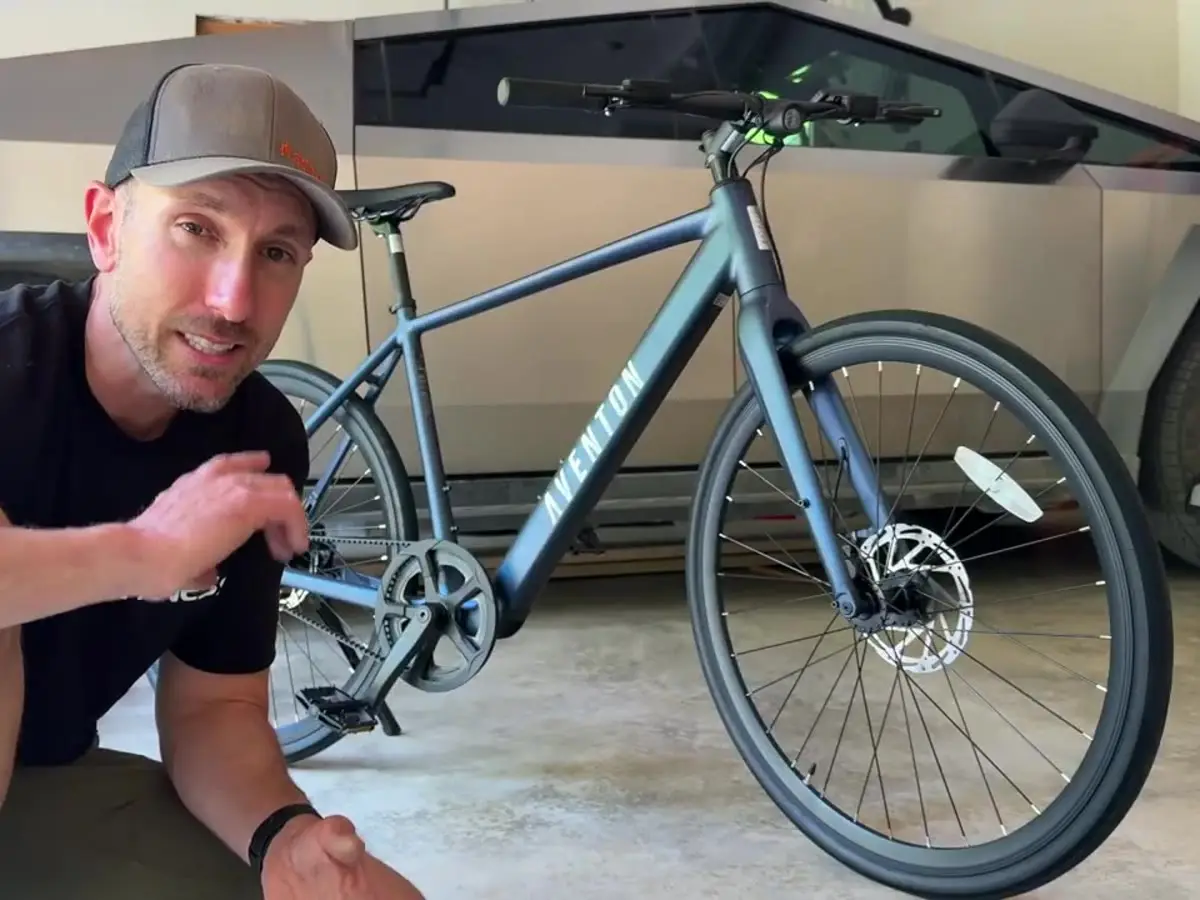
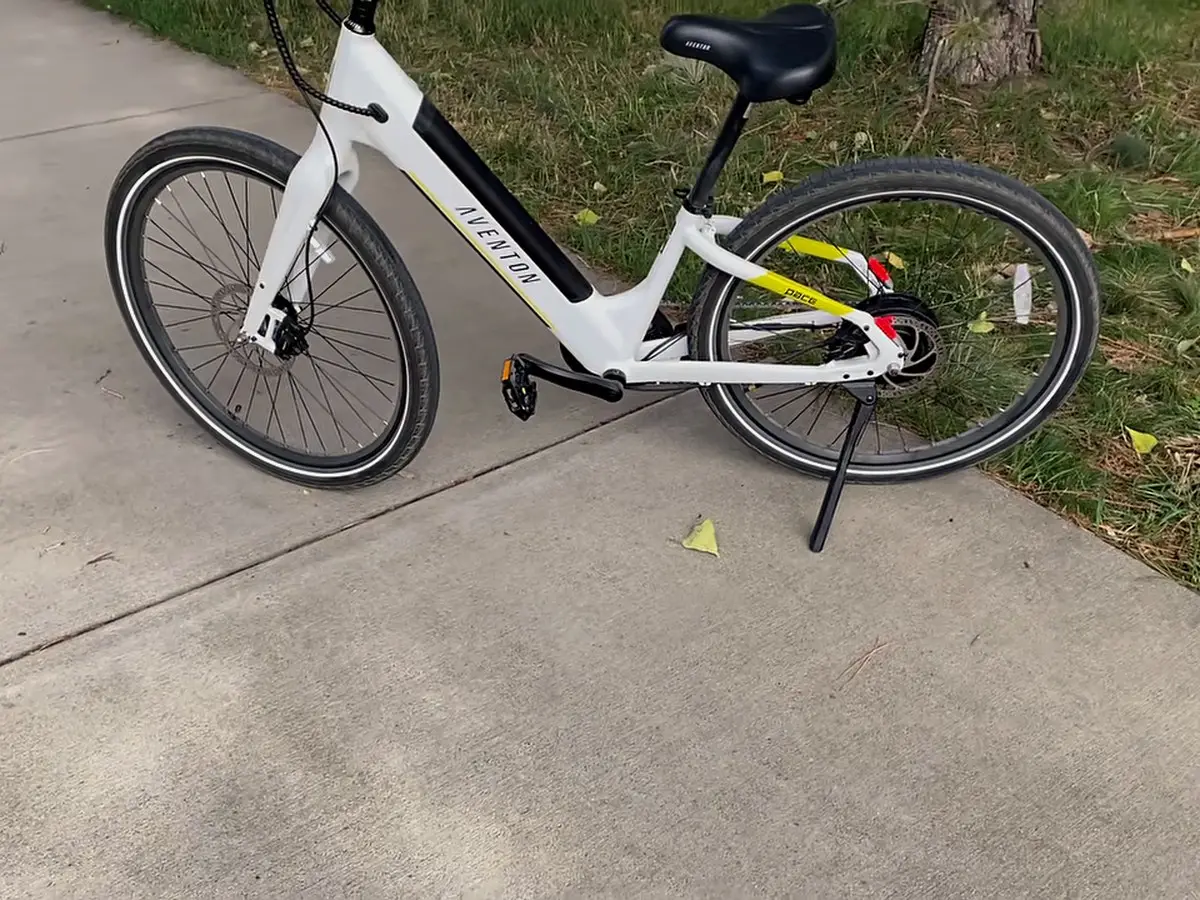
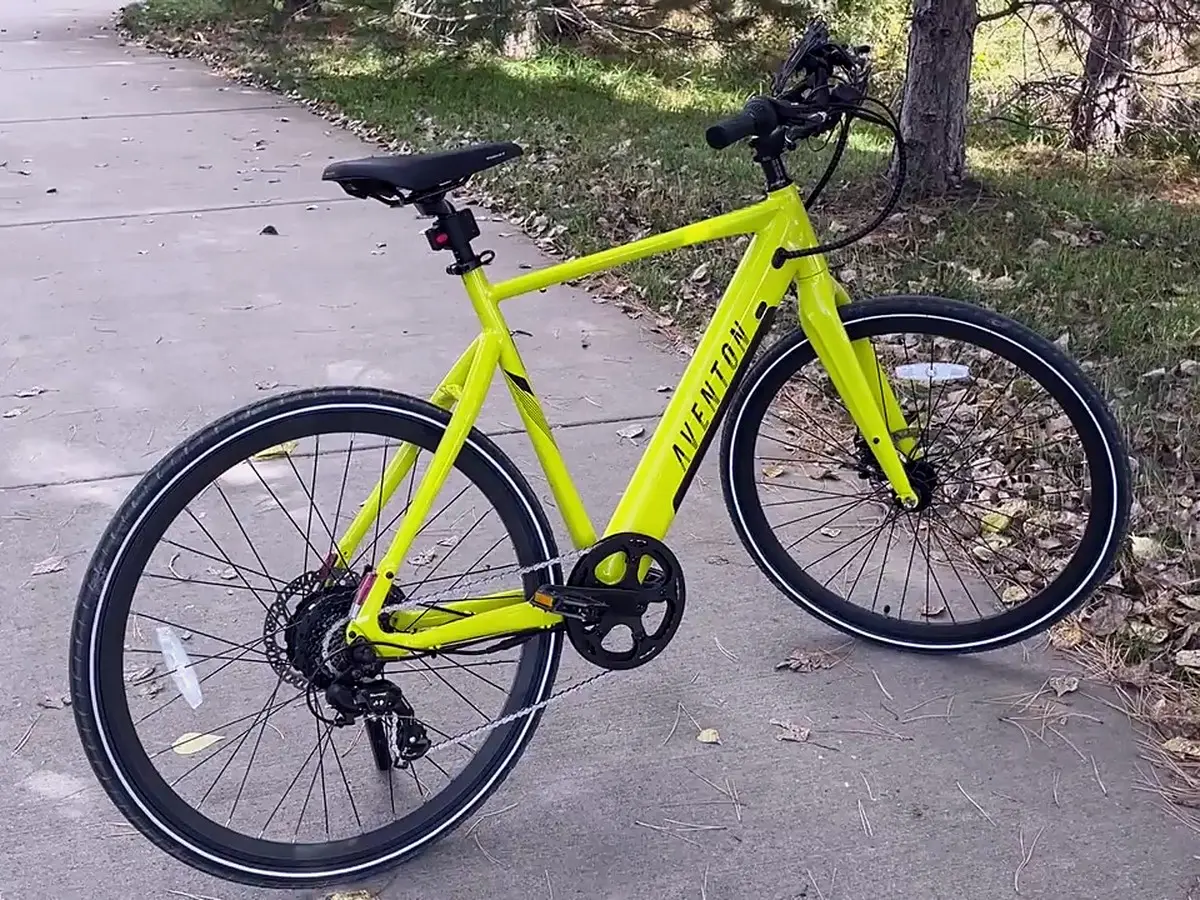
The EKO is the cheapest bike here and the only single speed. If you want gears or more range, the Velotric T1 ST is the lighter, pricier option.
Who it’s for
- Apartment riders who carry their bike upstairs
- Commuters on pavement, short or long
- Anyone who wants an e-bike that looks like a regular bike
- Riders who want very low maintenance
Who should look elsewhere
- Anyone who wants a throttle
- Riders who need to charge the battery off the bike
- Anyone riding gravel, dirt or trails
- Riders who want integrated, automatic lights. See my e-bikes under $2,000 list for more options.
FAQ
Does the Ridel EKO have a throttle?
No. It’s pedal assist only, with a torque sensor and five assist levels.
Is the battery removable?
No. It’s fixed inside the frame. You remove a cover and plug in the charger.
Can a single speed e-bike handle hills?
On the EKO, yes. Keep it on level 5 and the motor can easily get you up a hill.
Can I ride it with the battery dead?
Yes. With the bike turned off, it felt like a normal single speed bike to me.
Can I ride it off-road?
No. The tires are super thin, so off-road isn’t an option.
How heavy is it?
Ridel lists it at 38 lbs.
Price
As of Oct 22, 2026, Ridel lists the EKO at $699 on sale, down from $1,399, and shows it sold out.
Check the Ridel EKO on Amazon (affiliate link)